

Rapid breathing – Causes, Diagnosis & Treatment at Emirates Hospital Group
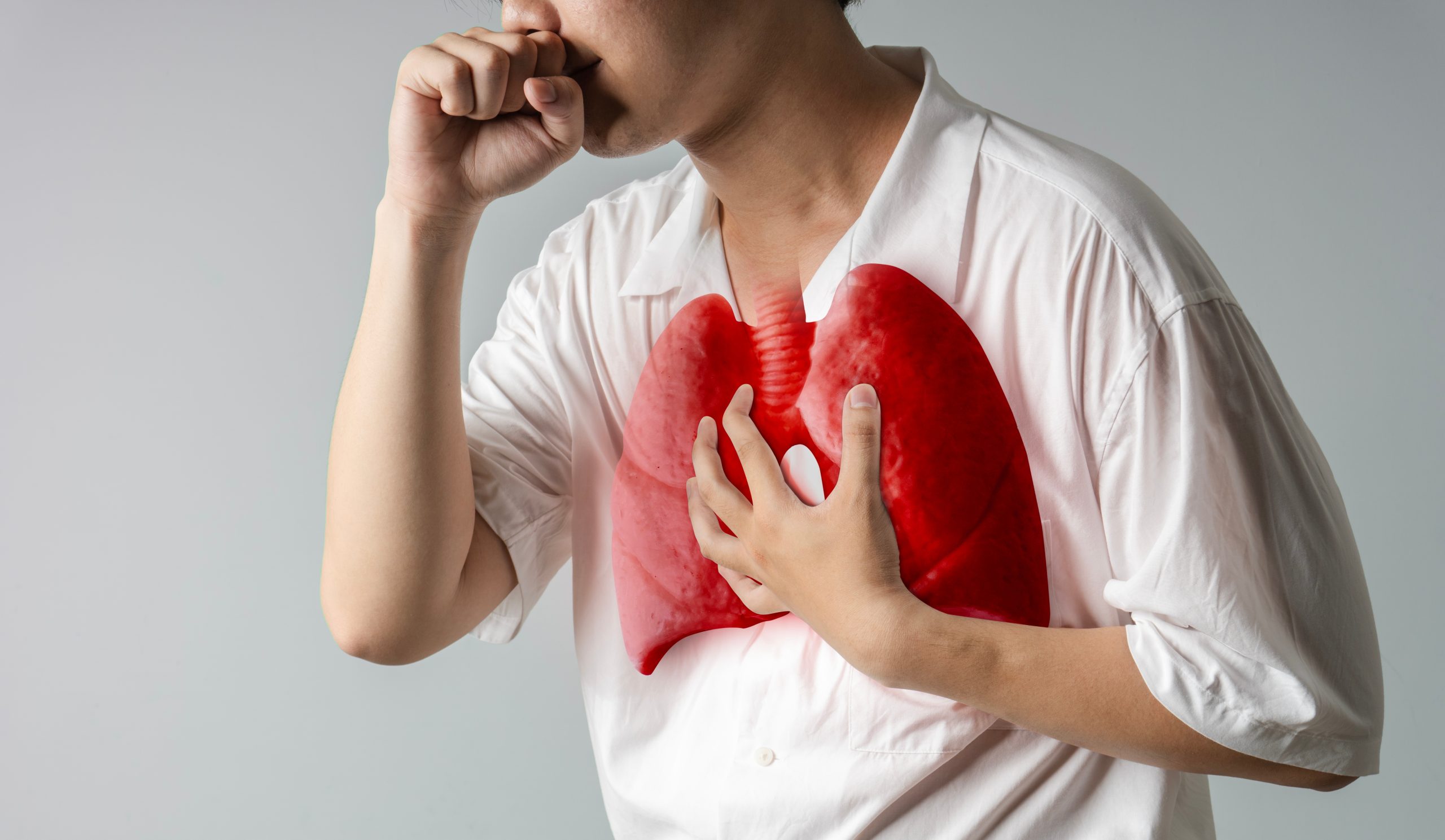
Rapid breathing, also known as tachypnea, is breathing that is faster than normal for a person’s age and activity level. Understanding the potential causes, diagnosis, and treatment options is crucial. This symptom can be alarming and may indicate a range of health issues, from mild anxiety to serious medical conditions. It’s important to consult a healthcare professional to determine the underlying cause and receive appropriate treatment.
Causes:
- Respiratory Conditions: Pneumonia, bronchitis, asthma, chronic obstructive pulmonary disease (COPD), pulmonary embolism (blood clot in the lungs), and other lung conditions can cause rapid breathing.
- Anxiety/Panic Attacks: Anxiety or panic attacks can trigger rapid breathing, often accompanied by other symptoms like chest pain, dizziness, and a sense of fear.
- Heart Conditions: Heart failure, arrhythmias (irregular heart rhythms), and other heart problems can lead to rapid breathing.
- Anemia: Severe anemia (low red blood cell count) can cause rapid breathing as the body tries to compensate for reduced oxygen delivery.
- Infections: Infections like sepsis (blood infection) or severe infections affecting the lungs can cause rapid breathing.
- Fever: An elevated body temperature can increase breathing rate.
- Dehydration: Dehydration can sometimes lead to rapid breathing.
- Metabolic Acidosis: A condition where the body produces too much acid can cause rapid, deep breathing.
- Other Medical Conditions: Certain neurological conditions or other medical problems can sometimes contribute to rapid breathing.
Diagnosis:
- Medical History: Gathering information about the onset, duration, nature of the rapid breathing, any other symptoms, and relevant medical history.
- Physical Exam: Listening to the lungs, checking vital signs (heart rate, respiratory rate, blood pressure), and assessing overall condition.
- Pulse Oximetry: Measures the oxygen saturation in the blood.
- Blood Tests: May be done to check for infection, anemia, or other metabolic abnormalities.
- Chest X-ray: To visualize the lungs and check for any abnormalities.
- ECG/EKG: A test that records the electrical activity of the heart.
- Other Tests: Depending on the suspected cause, other tests may be necessary, such as a CT scan of the chest or pulmonary function tests.
Treatment:
- Treatment of Underlying Cause: The most important aspect of treating rapid breathing is to identify and treat the underlying medical condition that is causing it.
- Oxygen Therapy: If oxygen levels are low, supplemental oxygen may be administered.
- Medications: Depending on the cause, medications may be prescribed, such as bronchodilators for asthma or COPD, antibiotics for infections, or medications for heart conditions.
- Anxiety Management: For rapid breathing due to anxiety or panic attacks, relaxation techniques, therapy, or medication may be helpful.
Important Considerations:
- Seek immediate medical attention if rapid breathing is accompanied by chest pain, shortness of breath, dizziness, confusion, or bluish discoloration of the skin. These could be signs of a serious medical condition.
- Consult a healthcare professional for any unexplained or persistent rapid breathing. Do not delay seeking medical advice.
- Do not self-treat rapid breathing without consulting a doctor. Proper diagnosis is essential for effective treatment.
Related Treatments
Request an appointment
Please complete the details and we will book you shortly.